В настоящее время логистический сектор находится в ловушке между стремительно растущими ценами на городскую землю и сокращающимся количеством квалифицированных работников складских помещений. Традиционная ручная работа на складах, где работники проводят 60% своего времени, просто перемещаясь между рядами, больше не является жизнеспособной бизнес-моделью для экономики электронной коммерции 2026 года. Чтобы оставаться конкурентоспособными, компании переходят к «вертикальному интеллекту», где пространство максимально используется, а человеческие ошибки исключены.
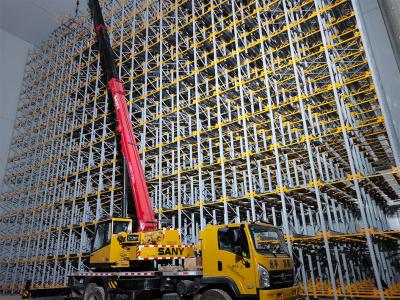
Суть этого перехода заключается в следующем: Автоматизированная система хранения и поиска (AS/RS) Переход от концепции «человек-товар» к концепции «товар-человек» позволяет складам увеличить плотность хранения до 400%, одновременно резко сократив операционные расходы.
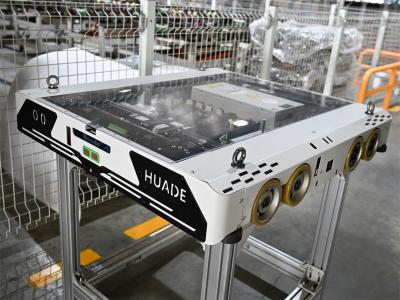
В современных центрах выполнения заказов с высокой плотностью размещения товаров каждый кубический метр воздуха представляет собой либо затраты, либо актив. Традиционные краны были ограничены одним проходом, создавая узкие места. Появление... Интеллектуальный четырехсторонний челнок Это коренным образом изменило правила игры. Эти автономные роботы могут перемещаться как в продольном, так и в поперечном направлении по трехмерной стеллажной сетке. В практическом применении, например, на складе продуктов питания с холодильной цепью, четырехсторонние челноки позволяют осуществлять хранение в «глубоких проходах», значительно сокращая количество необходимых проходов. Это максимизирует объем охлаждаемой продукции, гарантируя, что затраты энергии будут направлены на охлаждение товаров, а не на пустое пространство.
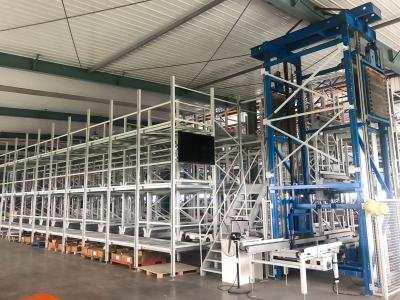
Автоматизация важна не только для небольших посылок в электронной коммерции; она становится все более актуальной для тяжелой промышленности. На предприятиях, где хранятся автомобильные двигатели, стальные рулоны или химические бочки, ручная работа погрузчика медленна и опасна. Точно спроектированная автоматизация необходима. Штабелерный кран для автоматизированных систем хранения и поиска. Этот подъемник способен поднимать грузы весом до 1500 кг на высоту до 35 метров с точностью до миллиметра. Это позволяет реализовать систему "точно в срок" (JIT), при которой необходимый для производственной линии компонент доставляется за считанные секунды. Интеграция с программным обеспечением для управления складом (WMS) обеспечивает точность учета запасов на уровне 99,9%, исключая "скрытые издержки" на потерянные или неправильно размещенные промышленные активы.
Помимо непосредственной экономии места, окупаемость инвестиций в автоматизированные стеллажи обусловлена безопасностью и надежностью. Складские несчастные случаи часто происходят из-за столкновений погрузчиков в узких проходах или падений с высоты. Исключив людей из зоны высотных складов, компании значительно снижают страховые взносы и ответственность на рабочем месте. Кроме того, автоматизированные системы могут работать в «темном» режиме (без освещения и отопления), что способствует более устойчивой и прибыльной работе. Поскольку затраты на рабочую силу продолжают расти, возможность поддерживать круглосуточный цикл выполнения заказов без увеличения штата является главным конкурентным преимуществом.
Современный автоматизированный склад — это уже не просто физическая структура; это экосистема, основанная на данных. Интегрируя автоматизированную систему хранения и поиска (AS/RS) со сложной системой управления складом (WMS), компании могут создать «цифровой двойник» всего своего инвентаря. Это позволяет проводить прогнозную аналитику, в рамках которой система прогнозирует периоды пиковых заказов и автоматически перераспределяет запасы в непиковые часы, обеспечивая постоянное наличие наиболее востребованных товаров в наиболее доступных местах. Именно такой уровень синхронизации между программным и аппаратным обеспечением позволяет современным логистическим центрам достигать «99,9% времени безотказной работы» и практически мгновенной скорости выполнения заказов.
Физическая гибкость системы также впечатляет. Парк интеллектуальных четырехсторонних челночных терминалов может динамически масштабироваться; если на складе наблюдается сезонный всплеск спроса, оператор может просто добавить больше челночных терминалов к существующей сети без простоев или строительных работ. Такая модульность гарантирует, что инвестиции растут вместе с бизнесом. В сочетании с высокопроизводительным штабелером-кранами для автоматизированных систем хранения и поиска (AS/RS) объект получает возможность одновременно обрабатывать как высокоскоростную комплектацию мелких посылок, так и перемещение тяжелых промышленных паллет. Эта гибридная возможность является отличительной чертой «склада будущего», обеспечивая максимальную защиту от волатильности рынка и нехватки рабочей силы.
В экономике 2026 года ваш склад может стать либо узким местом, либо катализатором роста. Переход к автоматизированной модели хранения — это фундаментальный сдвиг от восприятия логистики как «центра затрат» к восприятию её как «стратегического актива». Внедряя технологии AS/RS, предприятия решают проблему нехватки рабочей силы, максимально эффективно используют городскую инфраструктуру и обеспечивают скорость, которую требуют современные потребители. Будущее складского хозяйства — за вертикальной, роботизированной и интеллектуальной логистикой, и компании, которые инвестируют в эту инфраструктуру сегодня, будут доминировать в цепочках поставок завтра.



Авторское право @ 2026 HUAYIDE Все права защищены.
 Сеть поддерживается
 русский
  English
 русский
 ไทย
ไทย Tiếng việt
 中文
中文